
Aquafaba is the starchy liquid left over after cooking beans or the liquid found right inside a can of beans. In this guide, we will walk you through exactly how to make aquafaba from scratch, how to store it properly, and the many ways you can use it in your cooking and baking.
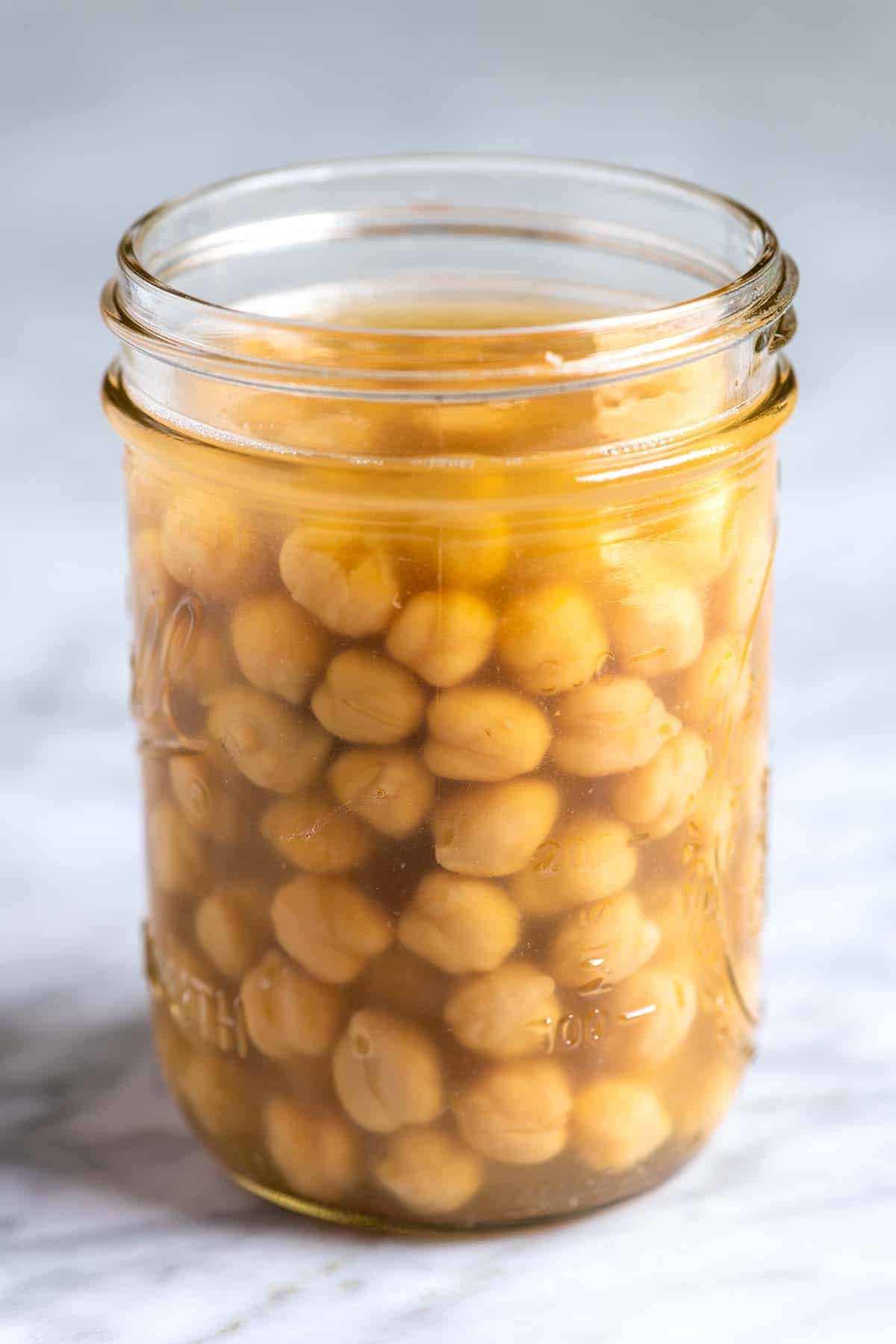
While aquafaba can come from any bean, the term usually refers to the liquid from cooking chickpeas (garbanzo beans). Chickpeas tend to produce the thickest, most starchy liquid, making it the most reliable choice for recipes.
I hate to say it, but we used to pour this liquid straight down the drain. Fortunately, now we know better. When beans are cooked or canned, the liquid thickens and turns starchy, and this starchiness is what makes aquafaba so special.
What to Do With Aquafaba
It was only in 2015 that Goose Wohlt, a software engineer experimenting with egg-free meringues, discovered the culinary magic of bean water (source). Today, we know aquafaba functions as a great thickener, stabilizer, binder, and emulsifier, but it is safe to say that aquafaba uses are still being discovered.
Here are some of the most common and reliable ways to use aquafaba. Feel free to share more in the comments!
- Use as a baking egg substitute. Replace whole eggs or egg whites in everyday baked goods such as homemade pancakes, vegan pancakes, and muffin recipes. (We actually compare aquafaba and a flax egg in our vegan blueberry muffins recipe!)
- Turn into meringues and pavlovas. Whip it into stiff peaks to create airy, completely egg-free meringues.
- Create whipped desserts. Lighten up plant-based chocolate mousse and buttercream frosting, or make vegan whipped cream and ice cream.
- Use it to make vegan mayonnaise and other emulsions. Blend it into garlic aioli, homemade plant-based butter, or make our vegan mayonnaise.
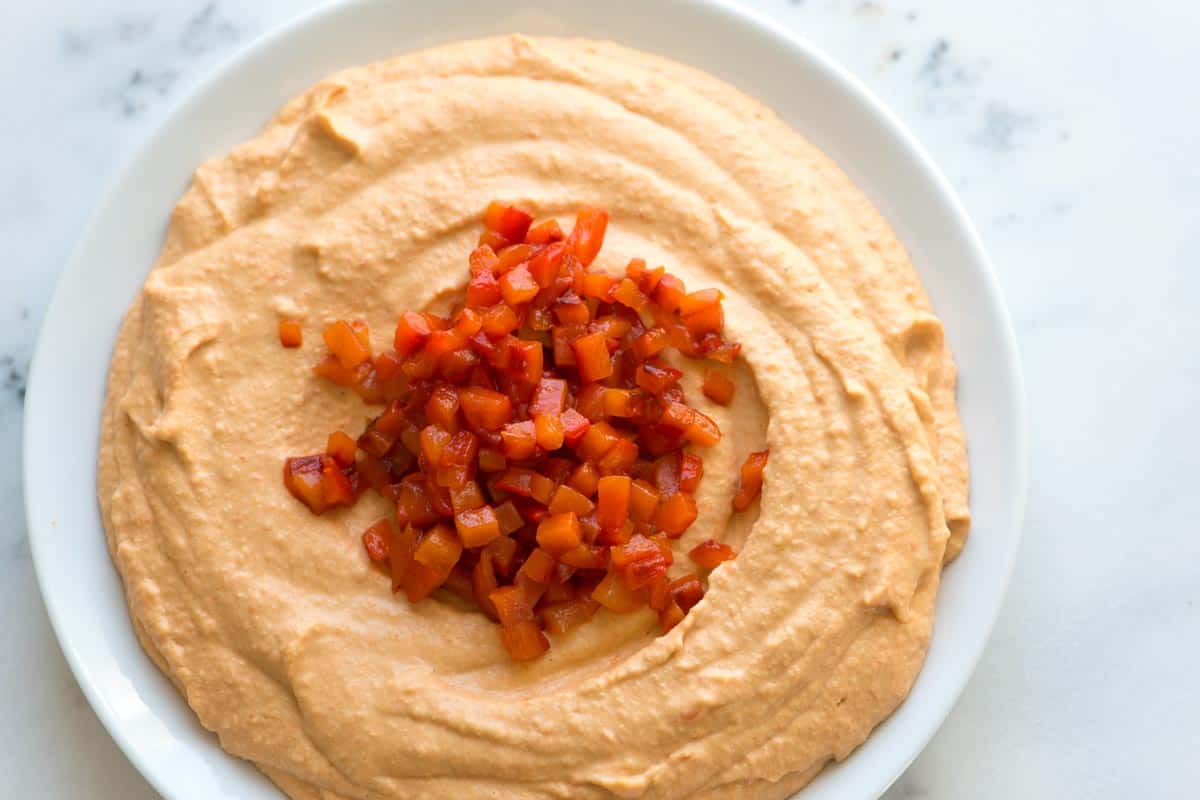
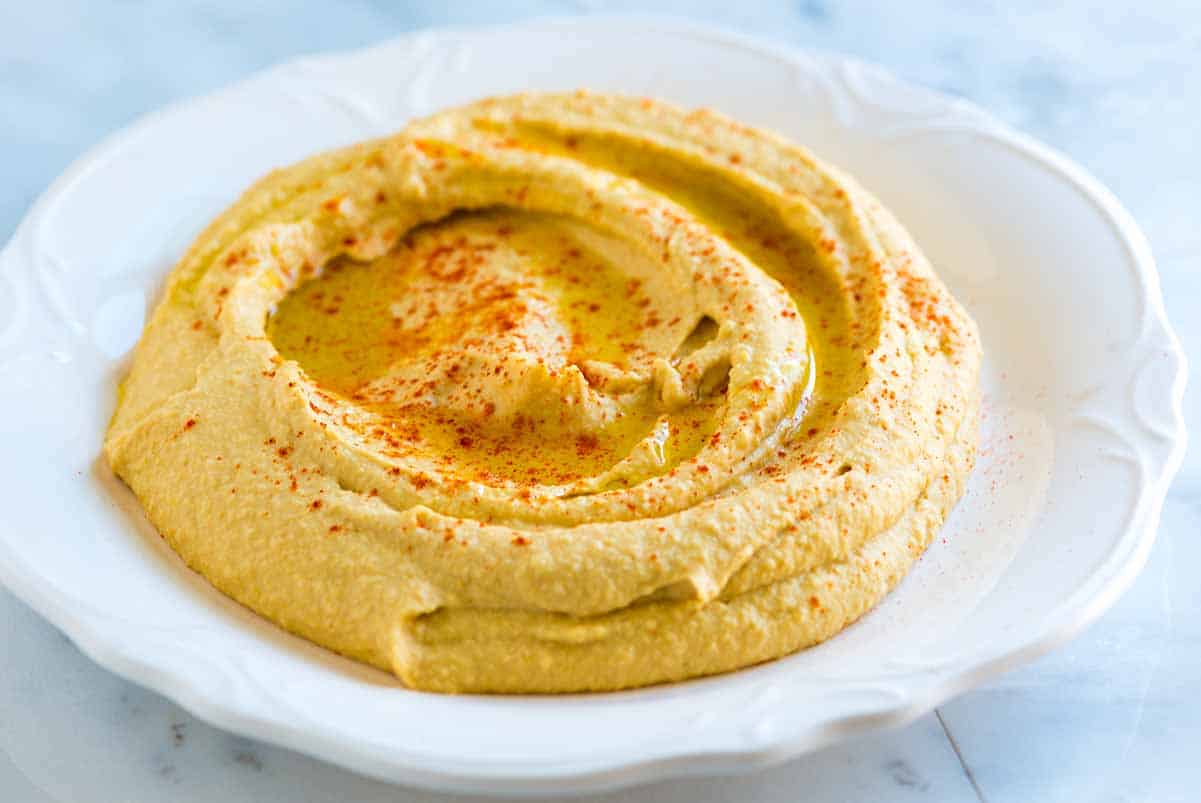
- Make hummus and dips better. Blend it into hummus for an exceptionally light and creamy texture.
- Use as a natural thickener. Add it into soups and stews to help them thicken.
Making Aquafaba from a Can of Beans
The easiest and most reliable way to get aquafaba is straight from a can of chickpeas. To avoid excess saltiness in your recipes, we recommend choosing low-sodium or no-salt-added cans.
⭐️ Before opening and draining the liquid, give the can a vigorous shake to distribute the starches. Then it is ready to use!
Making Aquafaba from Scratch
You can also make aquafaba from scratch by cooking dried chickpeas. This method takes a bit more effort, as you will need to reduce the cooking liquid on the stove until it reaches the thicker, slightly yellowish consistency of raw egg whites.
⭐️ It is really important to avoid introducing any oils or fats into the pot during this process. Even a trace amount of fat will prevent the aquafaba from whipping properly later on.
- Soak 1 pound (450 grams, or about 2 cups) of dried chickpeas in a large bowl of water overnight.
- Drain the chickpeas and transfer them to a large pot. Add 8 cups (1.9 L) of plain, unseasoned water. Bring to a boil, then reduce the heat to a simmer and cook until the beans are tender, 1 ½ to 2 hours.
- Turn off the heat, cover the pot, and let the chickpeas cool completely in their cooking liquid. (This resting period draws out as much starch as possible.)
- Once cool, remove the chickpeas with a slotted spoon (see how to store them in our article, how to cook chickpeas).
- Bring the remaining liquid in the pot back to a simmer. Cook for 30 to 45 minutes, or until the liquid reduces and thickens to the consistency of canned chickpea liquid.
How to Substitute Eggs with Aquafaba
Aquafaba has many culinary uses, but our absolute favorite is as an egg replacer in pancakes and simple baked goods. It does a really nice job of mimicking the binding and leavening characteristics of traditional eggs. (We use it to make our vegan blueberry muffins)
When substituting aquafaba for eggs, use this general rule of thumb:
- 3 tablespoons (45 ml) = 1 large whole egg
- 2 tablespoons (30 ml) = 1 large egg white
Depending on what your recipe requires, you can prepare the aquafaba in three different ways:
- Lightly Whisked: Use a hand whisk to create a light, frothy consistency, which works well as an egg binder in cookies, pancakes, and muffins.
- Soft Peaks: Whip aquafaba with an electric mixer or stand mixer until it forms soft peaks, perfect for adding airiness to batters for waffles, muffins, and cupcakes.
- Stiff Peaks: Whip aquafaba with an electric or stand mixer until it forms stiff peaks. You can then use it to make meringue, ice cream, or even vegan macarons.
Tips for Whipping Aquafaba
If a recipe calls for whipped aquafaba (either soft or stiff peaks), here is how to guarantee success:
- Use the right equipment: While you can use a hand mixer or even a food processor, we have found that a stand mixer fitted with a large whisk attachment is by far the most foolproof method.
- Add cream of tartar: You do not strictly need cream of tartar to whip aquafaba, but we highly recommend it. Just a pinch acts as an acidic stabilizer, helping the foam structure form faster and preventing it from deflating quickly.
- Be patient: Whipping aquafaba takes longer than whipping egg whites, so do not panic if it doesn’t happen instantly. Just keep whipping. Soft peaks usually form within 4 to 5 minutes, but achieving stiff peaks can take up to 10 minutes depending on your equipment.
How to Store and Freeze Aquafaba
If you have leftover aquafaba, do not pour it down the drain! It stores beautifully for future baking projects.
- Store unwhipped aquafaba in an airtight container in the fridge for up to 5 days.
- Aquafaba freezes perfectly for up to 3 months. For maximum convenience, freeze it in 1-tablespoon (15 ml) portions using an ice cube tray. Once completely solid, pop the cubes out and transfer them to a freezer-safe bag or container. When you are ready to bake, simply thaw the exact number of tablespoon cubes you need in the refrigerator before using.
⭐️ A note on whipped aquafaba: Aquafaba must be stored in its liquid, unwhipped state. Whipped aquafaba does not store well and will quickly deflate and lose its structure in the fridge. It is best to wait to whip your aquafaba until you plan to fold it into your recipe.
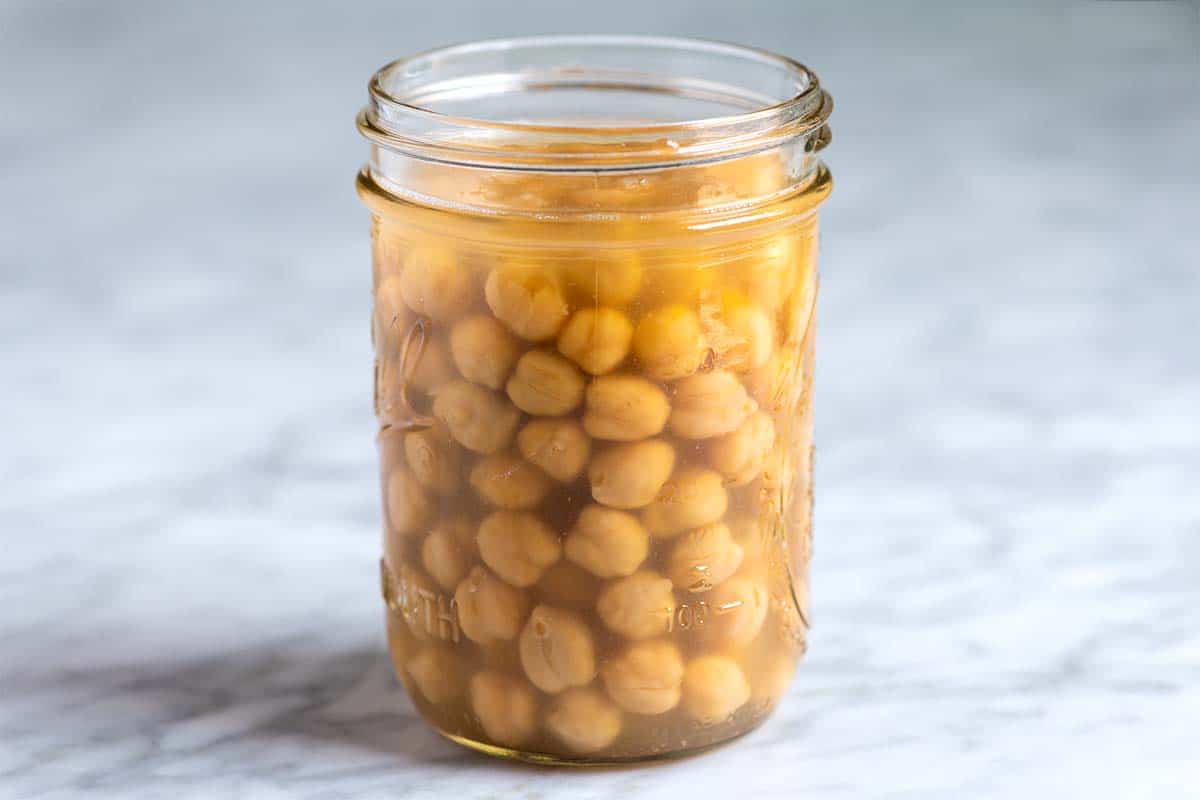
How to Make Aquafaba (Ultimate Guide)
- PREP
- TOTAL
Aquafaba is simply the starchy liquid left over after cooking beans, or the liquid found straight inside a can of chickpeas. While it has countless culinary uses (detailed in the article above), we rely on it most often as a vegan egg replacer and for making hummus more creamy.
**For instructions on making it from scratch, see the article above.
You can prepare aquafaba as an egg substitute in three different ways: (1) lightly whisked by hand, (2) whipped to soft peaks using a hand or stand mixer, or (3) whipped to much firmer, stiff peaks for creating delicate meringues or vegan macarons. For most everyday baking, you will only need your aquafaba lightly whisked or whipped to soft peaks. While lightly whisked aquafaba does a fine job binding most batters, taking the time to whip it to soft peaks often yields significantly better, lighter results.
You Will Need
1 (15-ounce) can no-salt-added chickpeas (or ½ cup / 120 ml reduced chickpea cooking liquid; see tips)
¼ teaspoon cream of tartar (for whipped aquafaba)
Directions
1If using canned chickpeas, vigorously shake the unopened can, then open and drain the beans, reserving the liquid. If using homemade reduced cooking liquid, ensure it is completely cooled. (If there are small bits of bean in the liquid, pour it through a fine-mesh strainer to remove them.)
2Lightly whisk the reserved liquid to combine the starches, then measure out the exact amount of aquafaba you need for your recipe. Reminder: Use 3 tablespoons / 45 ml for one whole egg, or 2 tablespoons / 30 ml for one egg white.
3If your recipe calls for lightly whisked aquafaba, pour the measured liquid into a wide bowl. Beat vigorously by hand with a wire whisk until frothy, about 1 minute. (You do not need to add cream of tartar for this method.)
4If your recipe calls for whipped aquafaba, pour the measured liquid into the bowl of a stand mixer fitted with the whisk attachment. Add the cream of tartar, then whip on high speed until it reaches your desired fluffiness. This takes patience; we usually stop mixing after 4 to 5 minutes.
5To test for properly whipped peaks, remove the whisk attachment and turn it upside down. Soft peaks will hold their shape initially, then slowly droop back into themselves. Firm peaks will stand tall and look distinct, though the very tip may still slightly fold over. Watch closely once you reach soft peaks, as overwhipping can cause the structure to lose its airiness and deflate.
Adam and Joanne's Tips
- Making aquafaba from scratch: While canned chickpea liquid is the most foolproof option, you can use the liquid from cooking dried chickpeas. Remove the cooked beans, then simmer the remaining liquid until it thickens to the consistency of canned bean liquid. See the article above for detailed, step-by-step instructions on this method.
- A stand mixer fitted with a whisk attachment is by far the most reliable tool for whipping aquafaba. If you do not have one, an electric hand mixer or a food processor will work in a pinch, though it may take slightly longer to reach your desired peaks.
- The nutrition facts provided below are estimates. We used data from this website (all about aquafaba).










i found the title of the post a bit misleading. aquafaba is the brine (bean water) leftover that contains starch and proteins that help it mimic egg whites. i came on here thinking i was learning how to make my own aquafaba, not how to make aquafaba based meringue
Hi Carrie, Sorry things were confusing. This article does outline how to make aquafaba from scratch, but if you only jumped to the recipe area, this was not made clear. We have now updated the recipe area to encourage those who’d like to make it from scratch to check the article above. Hopefully this clears things up. Happy cooking!
I would like to know if it’s possible to home can aquafaba. I home can beans so wouldn’t it be a similar method?
I love discovering new uses for ingredients that are kinda new to me.
About a year ago, I started making more “global” recipes and using ingredients completely new to me.
Believe it or not, the only thing I knew about chickpeas/garbanzo beans was they’re used to make hummus. Now, they are a staple in my pantry. But I hate any sort of food waste and am always trying to find ways to use whatever’s left over when I cook. Aquafaba is definitely one of those. Thank you for sharing this info with us!
I was a little disappointed at the amount of aquafaba I got out of the recipe. I used the 4:1 water to beans ratio (4 cups water to 1 cup dried chick peas) and at the end of cooking, only had about 2 tablespoons. I didn’t dare try to reduce it. Froze it and am hoping it still works in salad dressing.
If I use the liquid from the chickpeas can I add regular water to the beans to use them later? Can I use the new liquid for another recipe that uses eggs?
The drained beans should last 3 to 4 days in the fridge. I do not recommend using the water for making aquafaba.
Wonderful! I learned to make a delicious salad using aquafaba while living in Spain. The salad is simply a mix of garbanzo beans, chopped tomato, bell pepper and onion and some sliced green olives. The marinade/dressing is aquafaba blended with a little anchovy paste, drizzle in olive oil with the blender running until it’s emulsified, thicker and white. That liquid gets seasoned with vinegar, salt and pepper. Pour it over the salad so it’s covered in the liquid. Dunk crusty bread in the sauce. It’s much better the next day.
The September 2023 issue of Men’s Health magazine recommends using 1 oz of aquafaba to top off a whiskey sour, as an alternative to an egg white. Since my girlfriend likes whiskey sours, I’ll experiment with aquafaba this weekend.
I just tried a great cocktail that used aquababa in lieu of egg whites! Irish whiskey, ginger liqueur, rosemary simple syrup, fresh lemon juice and aquafaba. Not sure of the ratios, but I will be working on this at home until I get it right.
I use it as well. It makes an equally great foam, doesn’t stink of raw egg and makes all the cocktails vegan.
General rule of thumb (may vary slightly if the liquid right out of the can is thicker or thinner than usual; if it is thinner recommend simmering to reduce and thicken for better results): Just 1 tablespoon of aquafaba is about the same as one yolk, 2 tablespoons are about the same as one egg white, and 3 tablespoons can be used for a whole egg. I’ve used whipped aquafaba as an egg substitute for meringue cookies. They were a tad less puffed up (had less height than with egg whites) but not enough to really matter. Maybe a quarter less height. Nobody noticed or complained! They didn’t even realize they weren’t made with egg whites. I accidentally overwhipped the first batch of aquafaba though when left stand mixer for only a moment to do something else and had to start over. Really need to stand right there watching so can stop right away. I just used the botched batch in a bread recipe instead.
When you don’t need to use the juice for cooking use the soak water (not from canned beans) on your plants. They love the nutrients. This applies to any grain or bean.
I love your tip about the water that beans or grains have been soaked in being good for plants. Thank you for sharing it!
The bean liquid egg replacement is not only a vegan alternative but also an economically viable alternative. It could be very useful for those off grid as well Thanks