
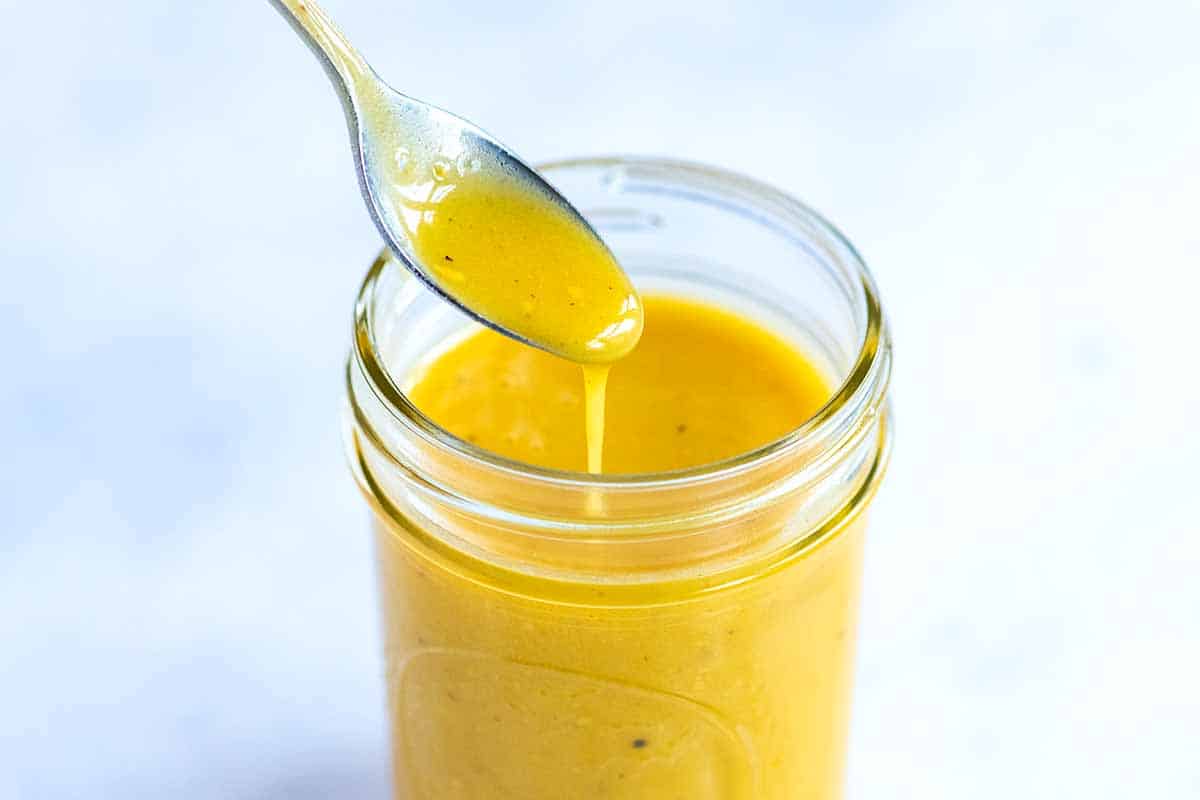
This from scratch garlic aioli recipe starts with eggs, not mayonnaise, and turns out unbelievably creamy, garlicky, and absolutely delicious!
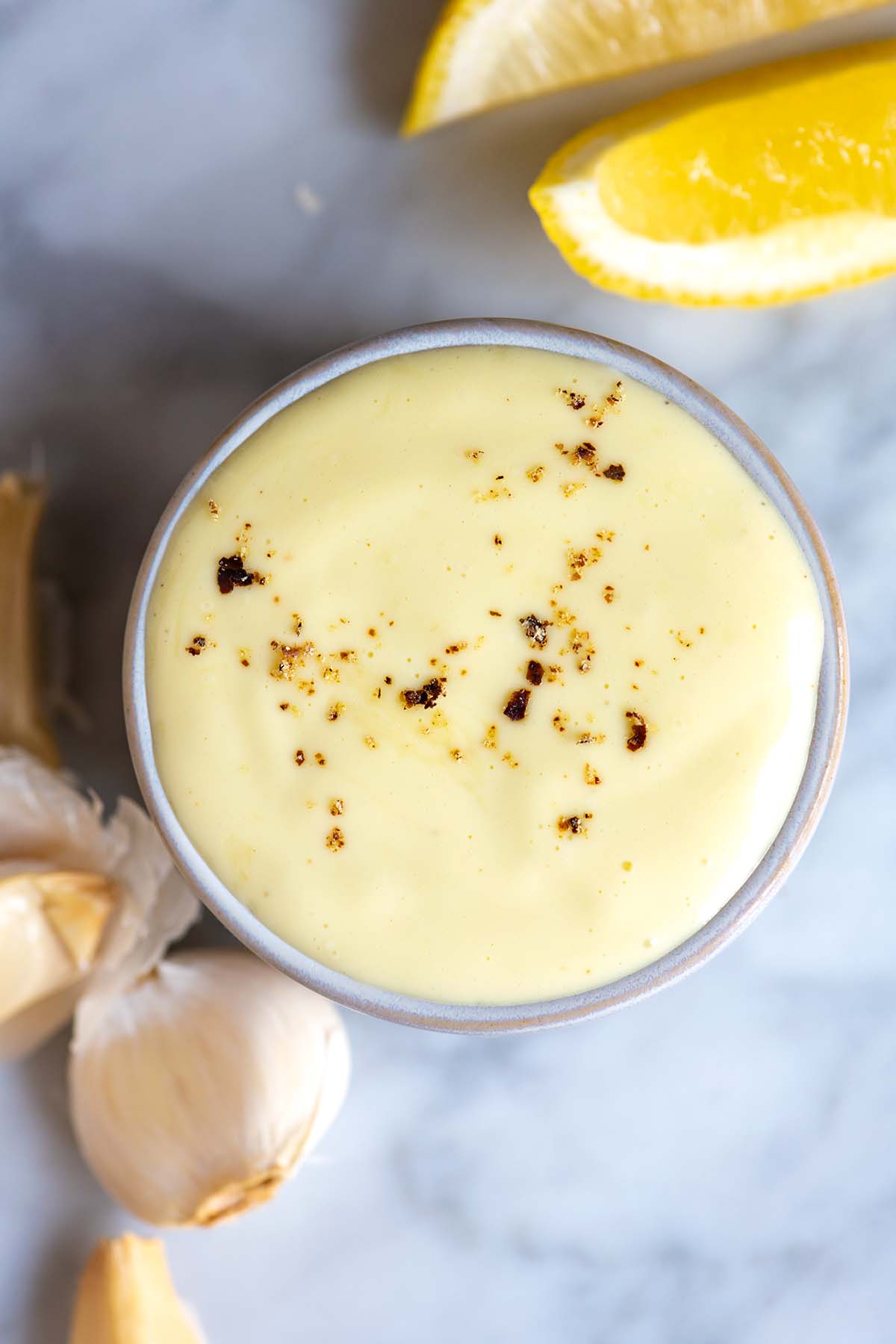
Aioli is so much more than flavored mayonnaise (it’s not just garlic mayo!). Our homemade aioli recipe will guide you through making the most creamy and delicious aioli, and I promise, it’s easier than you think.
If you want authentic, super creamy aioli, you are in the right place because this recipe is out of this world.
Key Ingredients
- Egg: Since this aioli is from scratch, we will start with raw eggs. For the best results, use room-temperature eggs, as they emulsify better. Many aioli recipes call for egg yolks, but we use both an egg yolk and a whole egg in this recipe. This makes the recipe more fail-proof since it increases the liquid in the food processor (I use the same trick when making homemade mayonnaise)
- Oil: Many authentic recipes for aioli call for extra virgin olive oil. We love using olive oil in this recipe, but we like to cut it with a bit of mild-tasting oil like sunflower or safflower. You can use 100% olive oil if you’d like, but the flavor will be more prominent.
- Garlic: I use raw garlic cloves to make this aioli and like using my microplane to finely grate them before blending them with the other ingredients. If you find raw garlic too strong, consider roasted garlic.
- Lemon: I love adding a little fresh lemon to my aioli since it cuts the richness and makes it taste better. Vinegar works just as well. I’d use a red or white wine vinegar or more delicate champagne vinegar.
Find the full recipe with measurements below.
How to Make the Best Aioli
Tip 1: Use a food processor. Making aioli is similar to making homemade mayonnaise. I use my food processor to guarantee consistent results. While a blender should work, it might not be as failproof, based on the feedback from our mayonnaise recipe.
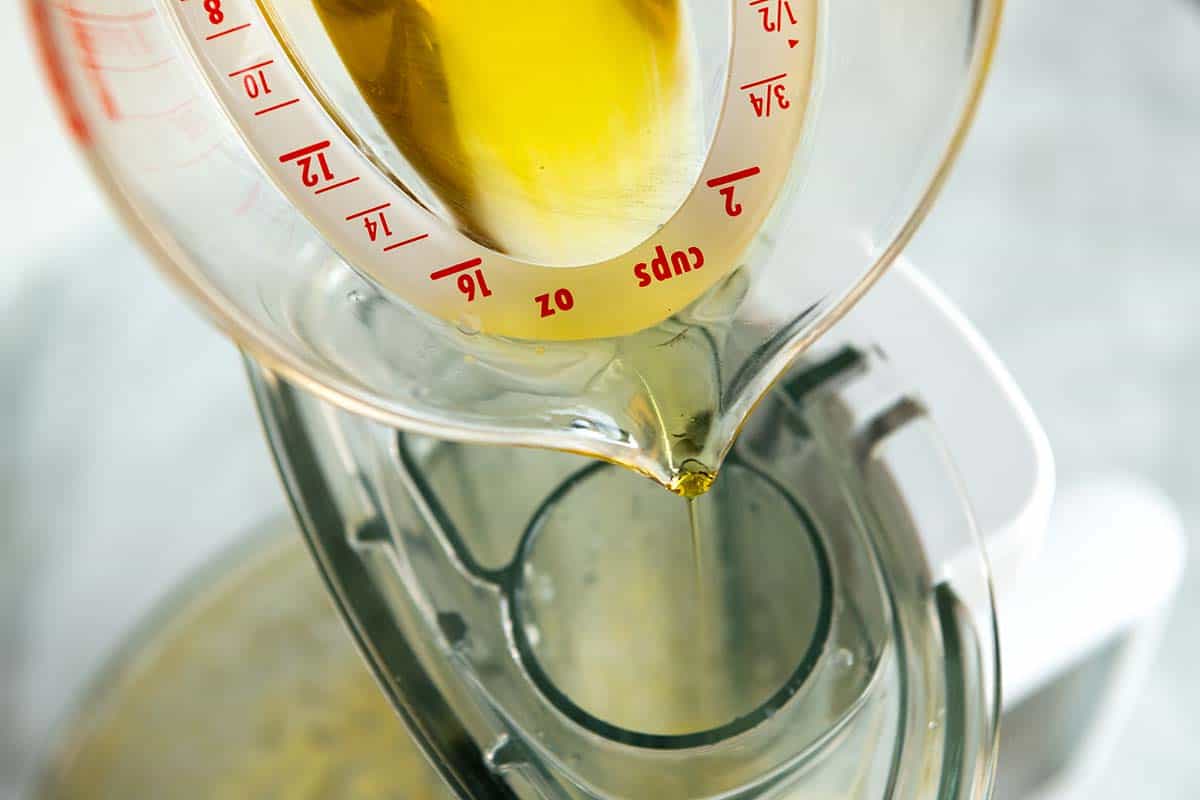
Tip 2: Add the oil slowly. I blend everything in the food processor until it’s frothy. Then, with the processor still running, I add the oil drop by drop. It’s essential to add the oil slowly to help the eggs emulsify properly. (To see me do this, watch our video below. I add the oil at 0:30.)
Once the mixture thickens a bit, I increase the oil to a thin stream until it’s all incorporated. From there, I taste the aioli and adjust the seasoning with salt and lemon, usually adding both.
Serving Suggestions
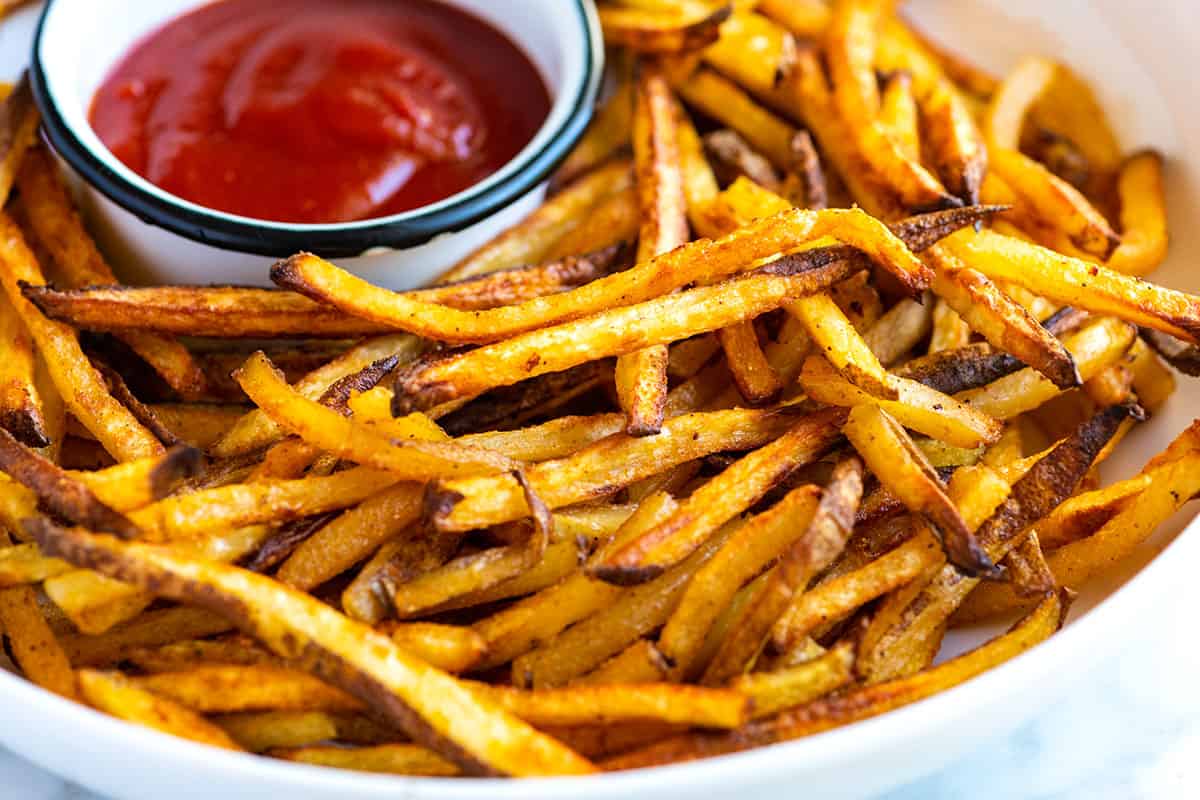
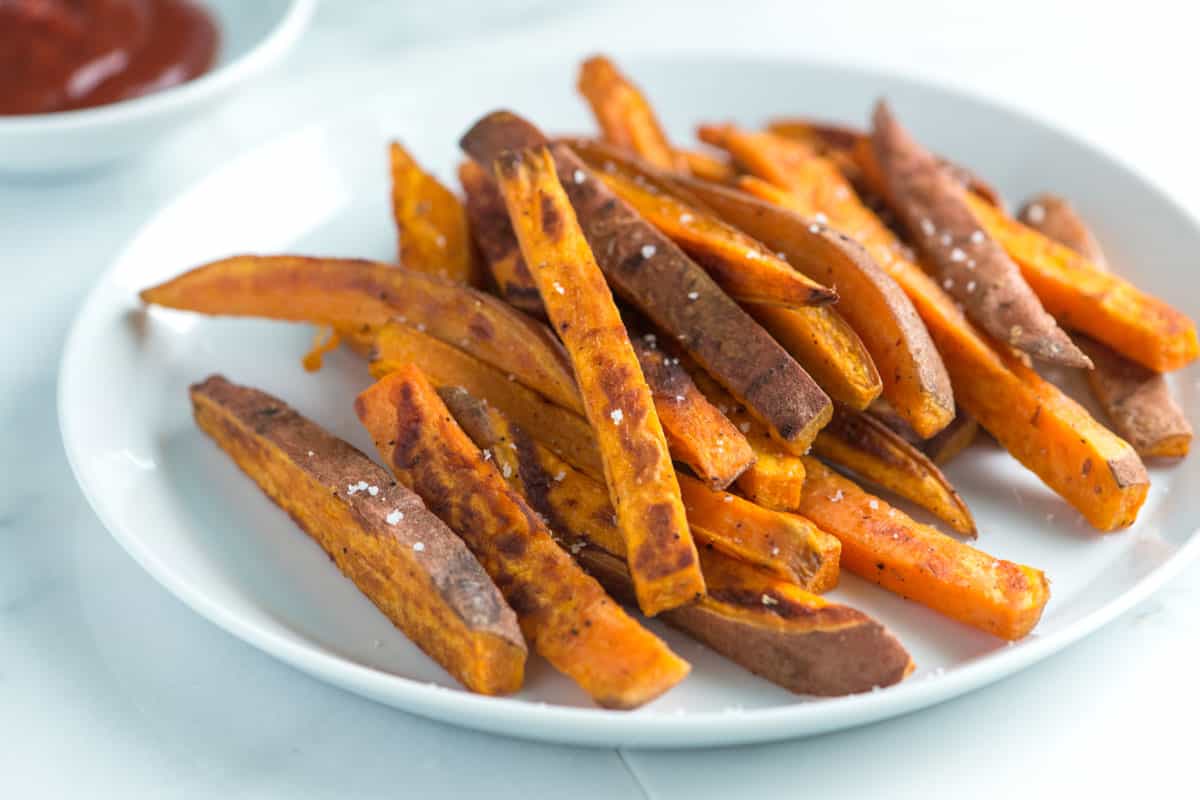
Garlicky, creamy aioli works perfectly with so many dishes. It’s the perfect condiment or dip for french fries, sweet potato fries, raw vegetables, roasted broccoli, roasted potatoes, artichokes, and asparagus.
It’s also fantastic with seafood! Serve it alongside baked salmon, roasted trout, poached shrimp, perfectly cooked scallops, crispy fish sticks, homemade crab cakes, or any other seafood dish you love.
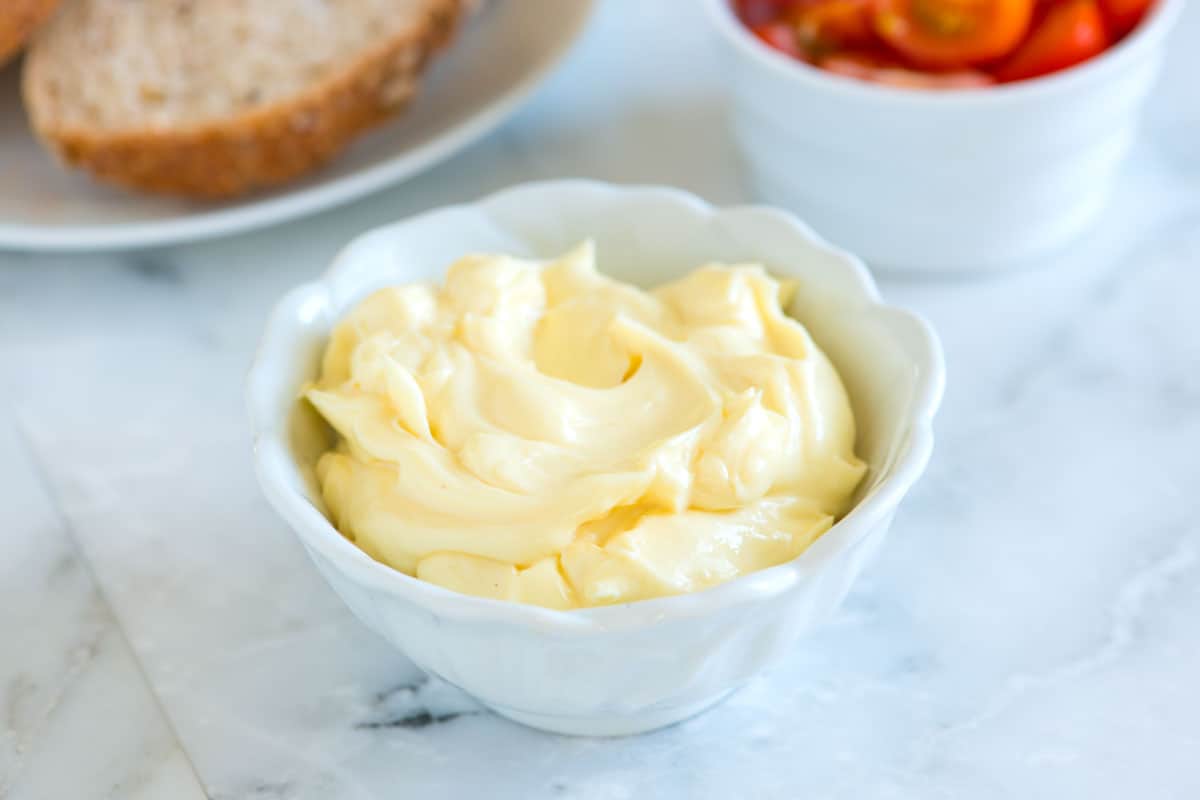
Aioli is also perfect when used as a creamy sauce for sandwiches and burgers. Whether you’re making a classic tuna salad sandwich, a juicy burger, or a veggie wrap, aioli adds a creamy garlic bite.
The Best Garlic Aioli
- PREP
- TOTAL
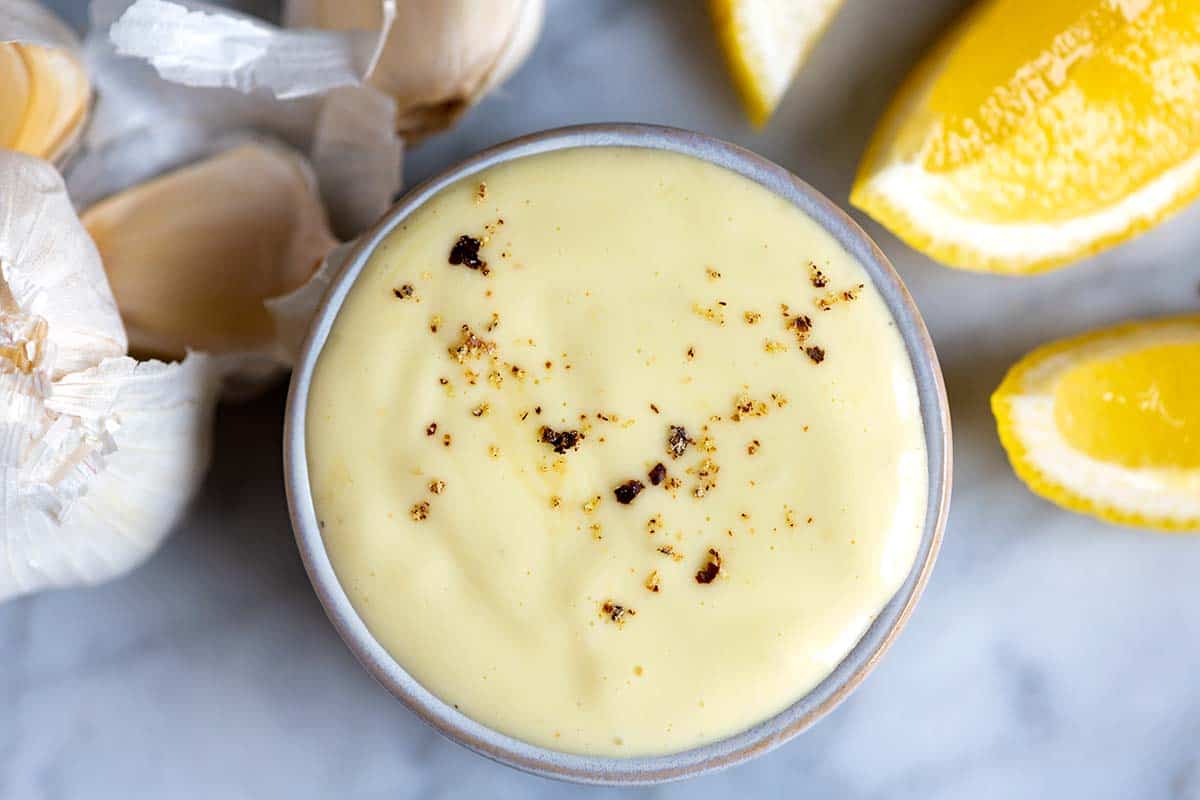
Our easy aioli recipe is a creamy garlic sauce made with simple ingredients like fresh garlic, salt, olive oil, and sometimes egg. It’s popular in the cuisines of the Mediterranean coast like Provence, France, and Catalonia in Spain. We use egg in this recipe, which makes it luxuriously creamy. Many aioli recipes call for egg yolks, but we use one whole egg and one egg yolk, which makes this recipe more fail-proof and extra easy.
Note: Some readers have found the olive oil flavor to be too strong. Use a mild extra-virgin olive oil for the best results. If you are sensitive to bitterness in olive oil, you can substitute neutral oil instead.
Watch Us Make the Recipe
You Will Need
2 small garlic cloves
1 teaspoon lemon juice
1 large egg at room temperature
1 large egg yolk at room temperature
½ cup extra-virgin olive oil, fruiter and mild is best (120ml)
¼ cup neutral oil like sunflower, grapeseed, or vegetable oil (60ml)
Salt and fresh ground black pepper
Directions
1Use a microplane grater to grate the garlic. If you do not have a fine grater, finely mince the garlic or mash it into a paste.
2Place the garlic, lemon juice, and ¼ teaspoon of salt in the bowl of a food processor. Let sit for 5 minutes.
3Add the whole egg and yolk, then pulse until blended and frothy.
4Combine the oils in a measuring jug, which makes pouring the oil into the food processor easier.
5Scrape the sides and bottom of the bowl, turn the food processor on, then begin to slowly add the oil in tiny drops until about a quarter of the oil has been added (this is critical for proper emulsification). Watch our video for reference.
6You can be less strict when you notice that the mixture is beginning to thicken and emulsify. With the processor on, continue to drizzle it in slowly, increasing to a very thin stream instead of drops of oil.
7When the oil is incorporated, and the aioli is thick, taste it and adjust it with additional lemon juice and salt. I usually add a couple more pinches of salt and an extra squeeze of lemon juice to make the flavor pop. Aioli is less thick than store-bought mayonnaise.
8Serve with a sprinkle of fresh ground black pepper over the top.
Adam and Joanne's Tips
- Roasted garlic aioli: If you are sensitive to the taste of raw garlic, consider reducing it to one clove or using roasted garlic instead.
- Shortcut aioli with mayonnaise: Combine 1 cup mayonnaise with 2 to 3 finely grated garlic cloves, a pinch of salt, and 1 to 2 teaspoons of lemon juice. Taste, and then season with more salt and lemon.
- Vegan aioli: Combine 1 cup vegan mayonnaise with 2 to 3 finely grated garlic cloves, a pinch of salt, and 1 to 2 teaspoons of lemon juice. Taste, and then season with more salt and lemon.
- Food processor: We make this recipe using a 12-cup food processor (Magimix), and it works beautifully. If you have a larger processor or are concerned that your model’s blade will not have enough contact with the ingredients, you can use the smaller bowl attachment that often comes with food processors. This recipe also works when made using a high-powered blender. Finally, you can use an immersion blender.
- Raw eggs: When choosing eggs for homemade aioli, go for fresh, properly refrigerated, clean pasteurized grade A or AA eggs with intact shells.
- Storing: This lasts in an airtight container in the fridge for about 1 week (possibly longer when made with pasteurized eggs). I do not recommend freezing aioli. The emulsification will likely break when you thaw, and the texture will change.
- The nutrition facts provided below are estimates.









So thankful I ran across your recipe tonight! My husband, who hates mayo with the fire of a thousand suns, decided he wanted to jazz his burger up tonight with garlic aioli. Found your recipe and within about 15 minutes start to finish, his request was fulfilled! I threw in a bit of onion powder and smoked paprika as well, and it turned out great. Will be bookmarking to return to! Thanks so much!
We are so happy you found us. You are so welcome! 🙂
Delicious! Worked like a dream. Can the recipe be doubled? I would like to give this as a gift to friends and family.
Hi Theresia, If your food processor is large, then yes.
I’ve made this recipe twice & it’s delicious. I just wish in the instructions it gave you a general idea of how long it takes to make. I don’t remember how long it took the 1st time, but it seemed like a long time till it started to congeal. This time it took over 30 minutes & it didn’t start to congeal till about 25 minutes. I got worried – both times, but it turned out perfectly! Really delicious!
Hi Joanie, You might find our video helpful. 30 minutes seems like way to long (the drops in the beginning take maybe 5ish minutes, then another minute or so for streaming in the rest of the oil).
Joanne – I made it again & it took me even longer -almost 40 minutes! I’ve watched the video several times, but the drops in the beginning take me way more than 5 minutes. So I don’t really understand what I’m doing wrong. I keep adding drops, or to the best of my ability, till it starts to thicken. Maybe my recognition of thickening isn’t the same as yours. Can you offer some more help? It always turns out great & is delicious though!
I just finished making it, much better than the 1st couple times. Part of the problem was the speed of adding the oil & I think my eggs were too cold. Thanks for the help!
Hi Joanie, I know we are really specific about adding the oil drop by drop, but maybe you are adding it a little too slowly (I know, you are just following directions). As you add the oil, look for some slightly thickening — that’s the emulsification starting. Once you see that, you can move more into a thin stream. Some processors have a little hole in the top for this purpose.
I had a feeling that might be the case. I’m going to try making it again today & not add so slowly, not drop by drop. I’ll let you know what happens. As I said, it’s always delicious!
This was mostly really nice but I found that the olive oil flavour was really strong and overpowering, I might try with just nuetral oil, would canola work?
Hi there, olive oil really varies in flavor (from bitter to fruity). You can use neutral oil as you suggested or simple reduce the olive oil a bit and swap in more neutral oil. Also, try a different brand of olive oil that’s more fruity/sweet/mild.
Awesome recipe! How long do you reckon this lasts for?
Hi Evie, This lasts in an airtight container in the fridge for about 1 week (possibly longer when made with pasteurized eggs).
Why do you call it garlic aoli when aoli translates as garlic oil… you’re calling it garlic garlic oil…
This recipe is great! I made with with a 14 cup cuisinart food processors, sharing in case others (like me) may wonder if that volume food processor will work.
Someone asked yes and no first it’s rare to get sick along as you are safe about it but if your really worried about salmonellayou can look ou have to contact your local markets to see if they carry pasteurized
Another awesome recipe!
At 77 this was my first attempt at making the Mayonnaise because I had run out of the mayo, I thought heck why not. A great success and as good if not better than a Kraft product, this emboldened my to try the aoili, another triumph, and so easy. I will not be buying Mayo from now on. Wit till my wife gets back from the coal face, she will be surprised. HNY to you all.
how long does this last
Store covered in the refrigerator up to a week.
Can I use just olive oil. I don’t have the other oils mentioned in the recipe.
Hi Alison, You can, but be aware that the flavor of our olive oil will come through. Some people find using 100% olive oil to be a bit strong for them, while others love it.
I agree. I’ve been making aioli for about half a century. I find that using all olive oil does result in the flavor of the oil being too dominant. I always use about 2/3 olive oil and 1/3 some neutral flavored oil.
I always thought egg and oil was mayo if with garlic, Garlic mayo. When I make aioli, there is no egg or egg yolk, the garlic when ground with a little salt emulsifies the oil, lemon juice or vinegar and water, no need for the egg. My way is vegan too, or so I’ve been informed.
Chris, may I add a bit of historic context? I have a collection of French cookbooks going back to the late 19th century, including (of course) Escoffier, Henri Paul Pellaprat, Raymond Oliver, and a number of others. It is true that the original Provencal aioli is made without eggs. That can still be found in Provencal restaurants to this day. However, the addition of eggs is, as far as I can tell, virtually universal in French cooking, going back at least to Escoffier (i.e. around 1910,) who certainly included eggs in his recipe. I suspect that this is because the eggless version is very unstable, and that meant it had to be basically made from scratch every time someone ordered it, while the version with eggs could be prepared in advance and used whenever necessary, like other restaurant sauces. Nevertheless, eggs are to be found in virtually all French recipes I have seen.
i love food. i eat it everyday
Hi Chris, This is true in some areas where aioli is popular. Egg is not always used for aioli, but some cuisines do choose to add the egg.